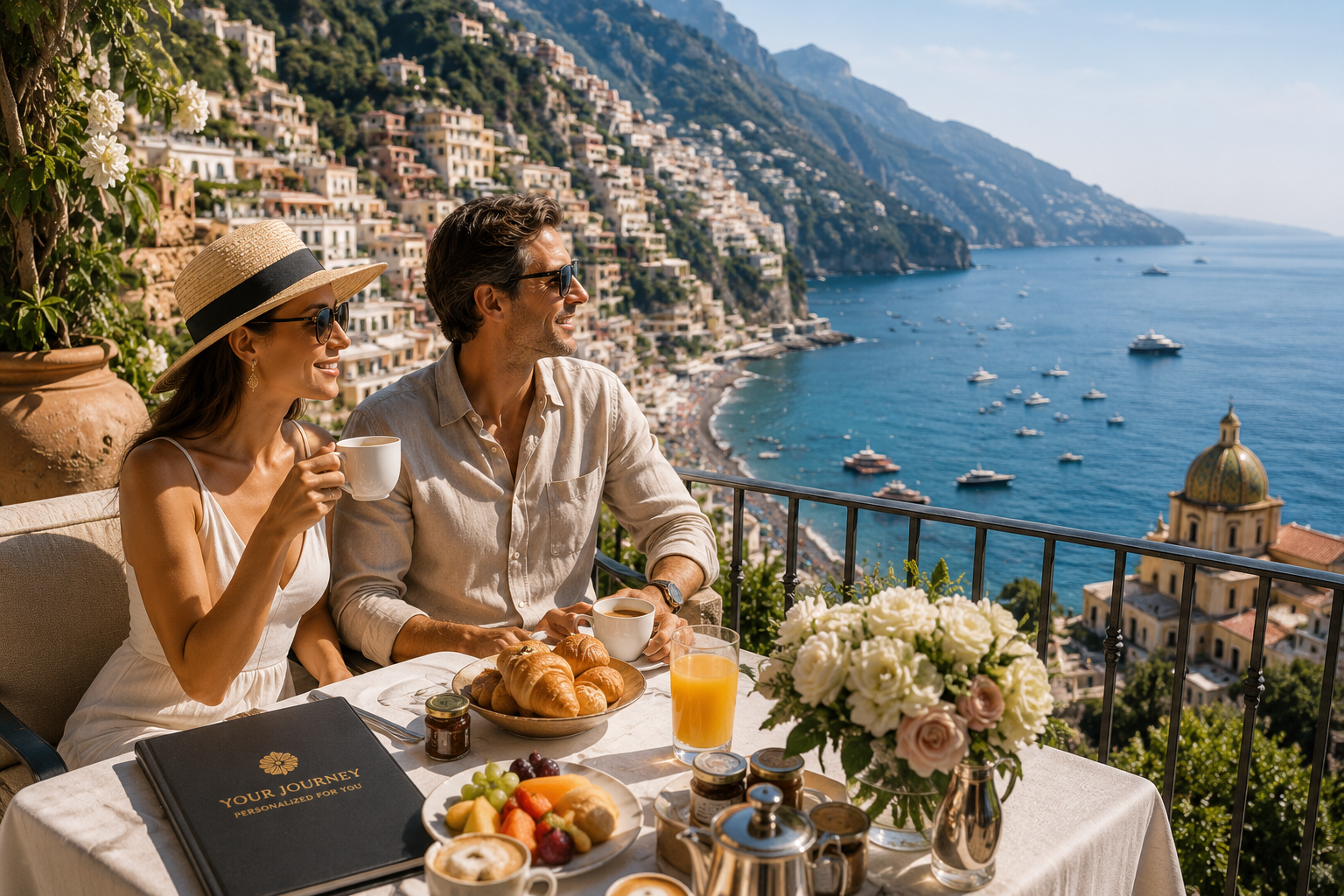
A traveler may forget the thread count. They may forget the exact size of a suite that cost thousands per night. Yet years later, they often remember one simple thing: how they felt. Whether they felt understood. Whether someone met a need before they asked.
This sits at the heart of one of the biggest shifts in luxury hospitality today. For decades, luxury hospitality meant visible status: grand design, exclusive amenities, formal service. Those still matter, but they're no longer enough.
Modern luxury travelers now judge hospitality differently, not by what was given, but by how it was delivered. Luxury hospitality is becoming less about products and more about real relationships and real emotional connection.
Luxury Hospitality Is No Longer Defined by Physical Luxury Alone
Old-school luxury relied on tangible things: great locations, premium amenities, exclusive access. These built prestige. But as luxury hospitality spread worldwide, physical luxury became easy to copy.
A hotel can copy room design. A resort can copy amenities. Global competition has narrowed many old differences. So affluent travelers now place value elsewhere. The real difference isn't what exists, but how it feels.
Affluent Travelers Are Seeking Recognition, Not Just Service
One common myth: great service alone builds a great trip. Service matters, but modern travelers want something deeper: real recognition and real understanding.
Affluent travelers see premium service every day, in retail, dining, and private clubs. What stands out isn't service speed. It's whether the moment feels truly personal. The strongest hospitality often makes a guest feel known, not just managed.
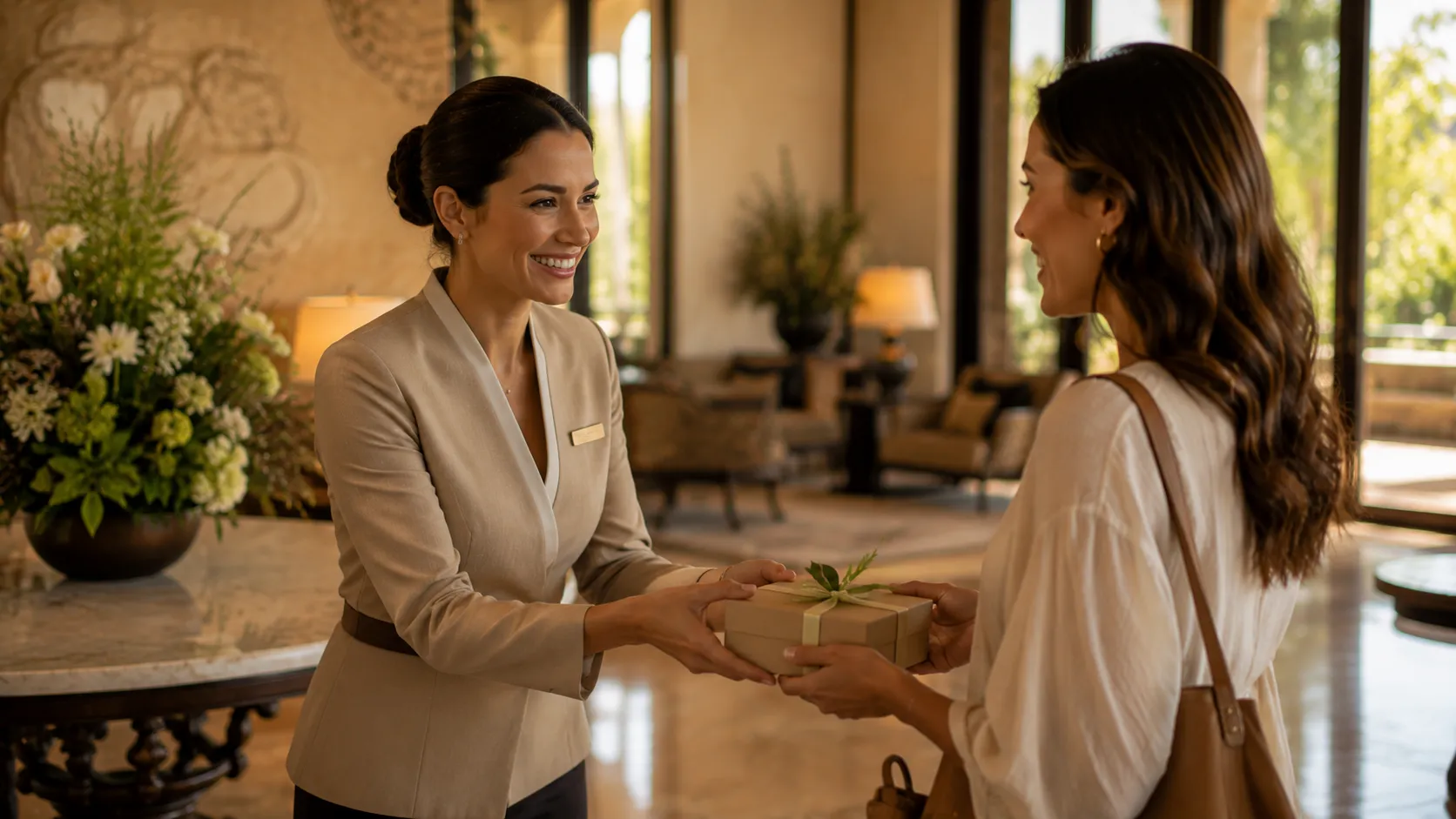
Personalization Has Become the New Standard
Few trends have shaped hospitality more than personalization. In the past, luxury meant standard excellence. Today, it means real customization. Two guests in the same suite may want completely different things.
The best hospitality brands notice these differences and adapt, across service style, wellness needs, and travel goals. Affluent travelers now expect a trip built around them, not around convenience.
Emotional Connection Is Becoming a Competitive Advantage
One big shift in hospitality: real emotional connection. Many brands offer great rooms and great service. Far fewer build real emotional resonance.
Guests remember trips where they felt understood and truly welcomed. That builds loyalty far beyond simple satisfaction. The most successful brands know emotional connection often drives repeat visits more than amenities alone.
Luxury Hospitality Extends Beyond Hotels
Hospitality now reaches far beyond hotels, into luxury cruises, private villas, and wellness retreats. In many ways, hospitality has become a whole ecosystem, not one single service.
The Guest Journey Matters More Than Individual Moments
A common myth: luxury comes from isolated great moments. In reality, guests judge a trip as a whole story, from booking to arrival to departure.
Each step shapes how the whole trip feels. The strongest luxury trips feel seamless because every stage was thought through carefully.
Luxury Travel Advisors Help Bridge Hospitality Expectations
Advisors play a growing role in the hospitality world. Hospitality often starts long before arrival, during the planning and consultation stage.
Advisors act as the bridge between what a traveler wants and what a hotel delivers. Their real understanding of traveler psychology helps match people to the right fit. The result: happier guests and less friction.
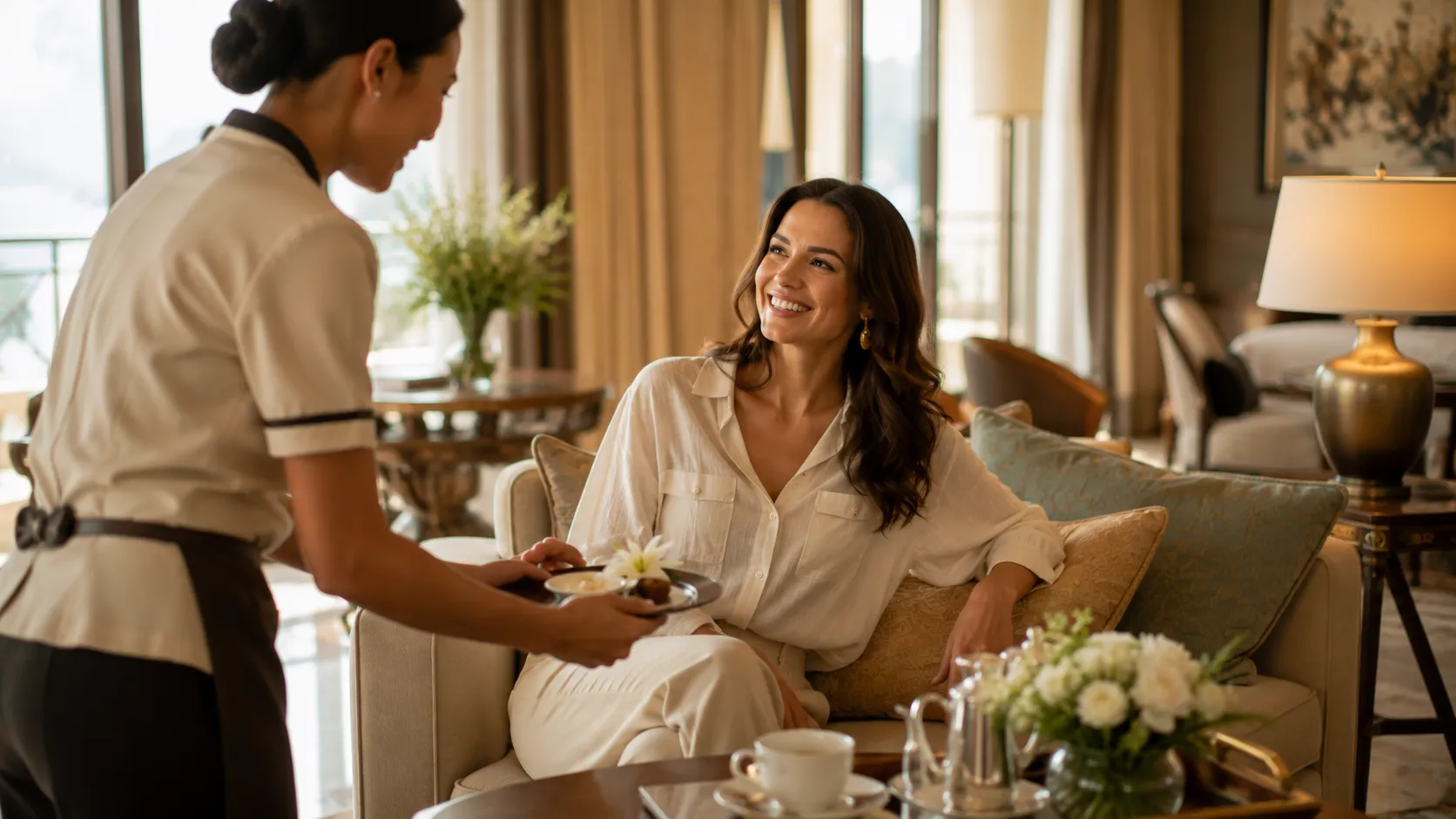
Technology Is Changing Hospitality Expectations
Tech has changed hospitality a lot. Guests now expect mobile chat, easy booking, and real personal recommendations. But tech alone doesn't build luxury. Too much automation can hurt personalization.
The real challenge: balancing speed with real humanity. Tech works best when it boosts hospitality, not when it replaces it.
Wellness Is Influencing Hospitality Design
Wellness is reshaping hospitality design. Guests now want real mental rest, better sleep, and real emotional restoration. Wellness now shows up in room design, dining, and everyday service, not just the spa.
Hospitality is now expected to support real well-being, not just comfort.
Luxury Hospitality Is Becoming More Human
Perhaps the biggest shift in luxury hospitality: it's becoming more human. Travelers value real empathy and real understanding. Staff who show genuine care often leave a stronger mark than expensive amenities.
This doesn't shrink the role of luxury standards. It raises the role of real human connection. The future of hospitality may be less about impressing guests, and more about truly understanding them.
The Future of Luxury Hospitality
Looking ahead, personalization, wellness, and emotional intelligence will keep shaping luxury hospitality. Brands that embrace this will likely win the future traveler.
The luxury traveler of tomorrow will judge a trip not by what was offered, but by how deeply it reflected their real needs.
Conclusion
Luxury hospitality today isn't just about great rooms or formal service. Those matter, but they're now expected, not exceptional. The real difference is real personal, emotionally smart hospitality, one that makes travelers feel recognized and truly cared for.
As luxury travel keeps evolving, hospitality will remain one of the strongest forces shaping how travelers remember their trips. In the end, luxury hospitality isn't just about serving guests. It's about making people feel valued.