

The luxury travel industry has grown far more advanced. Travel changed. But traveler expectations changed even more.
Today's affluent travelers expect far more than a confirmed reservation. They want a personal touch and real, thoughtful guidance.
So the advisor's role has changed a lot. Modern advisors no longer just handle bookings. Many now work as strategists and relationship managers.
And in the new AI era, that role keeps getting more nuanced.
Technology can handle some research. But luxury travel stays deeply human. The advisors who succeed blend real skill with real emotional intelligence. That mix creates personal trips.
So what skills matter most in luxury travel today?
The answer goes far beyond sales.
Destination Expertise Remains One of the Most Valuable Skills
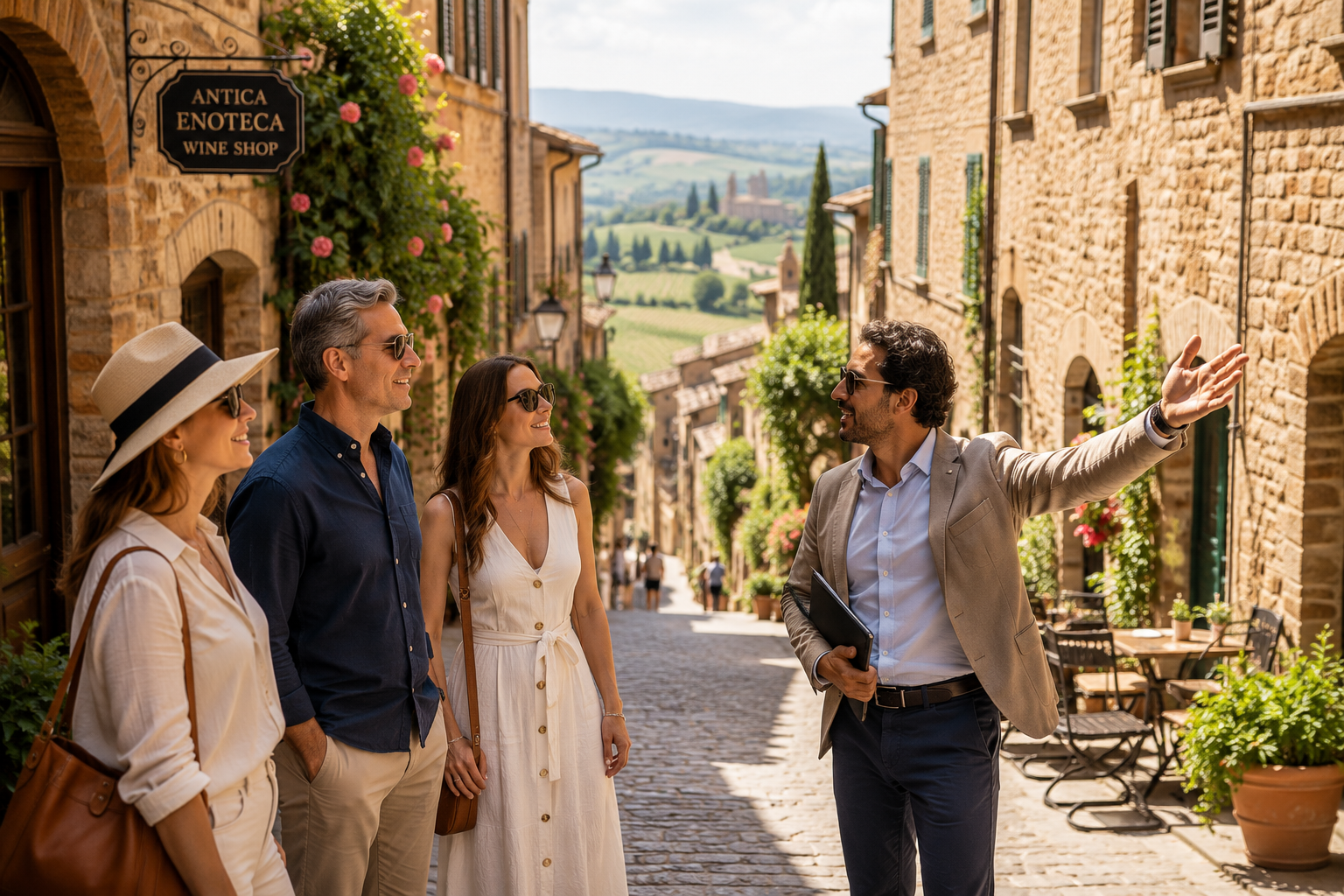
One of the biggest advantages in this field is real destination knowledge. Luxury travelers expect advisors to know the local nuance and real hospitality differences.
Online info is everywhere. Travelers can research a spot in seconds using AI. But facts alone aren't expertise. Advisors add real insight.
Two luxury resorts in the same place may look similar online. But they can feel very different in person.
Catching these small differences lifts luxury travel above a simple booking. Real destination knowledge helps advisors avoid a bad fit.
Communication Skills Are Critical in Luxury Travel
Luxury travel runs on relationships. Advisors talk daily with travelers, hotels, and cruise partners.
Strong communication builds trust. It sets clear expectations, and helps travelers feel truly cared for.
But communication in luxury travel isn't just operational. It's emotional too. Affluent travelers want to feel heard and cared for.
Advisors who communicate with clarity and real empathy build stronger, longer relationships.
Emotional Intelligence Has Become Increasingly Important
Luxury travel is often emotional, not just logistical. Travelers may be planning a big anniversary or a much-needed retreat.
A strong advisor understands traveler worries and real emotional goals.
Emotional intelligence helps advisors personalize better and build real trust.
This human skill matters even more in an AI-driven world. Travelers still crave real, thoughtful relationships.
Relationship-Building Drives Long-Term Success
Luxury travel advising runs on long-term relationships, not one-time bookings. Many affluent travelers want an advisor who remembers their past trips.
Relationship-driven planning helps advisors learn a traveler's real style over time.
This builds smoother planning over time. Long-term ties also fuel referrals and real growth.
Luxury Hospitality Knowledge Matters More Than Ever
Advisors increasingly need a strong grasp of luxury hospitality itself, from service standards to real guest psychology.
Luxury travelers judge a trip by more than amenities. Service and real emotional comfort matter too.
Advisors who truly understand hospitality can better match travelers to trips that fit.

Technology and AI Literacy Are Becoming Essential
The rise of AI search is changing how travelers research trips.
Advisors don't need to become engineers. But they benefit from knowing AI tools and their real limits.
Tech skill helps advisors work faster and stay competitive as search evolves.
The advisors who thrive with AI pair it with real human judgment. AI can organize facts. But advisors bring real judgment and lasting relationships.
Personalization Skills Are Central to Modern Luxury Travel
Personalization is no longer optional in luxury travel. Affluent travelers expect a trip built around their own style.
Successful advisors learn to ask real questions and spot unstated needs.
The ability to personalize well separates top advisors from simple booking agents. Luxury today comes down to one question: does this trip fit me?
Problem-Solving and Adaptability Are Essential
Travel disruptions happen: flights change, weather shifts, plans break.
Luxury travelers expect calm, proactive help in these moments. Strong advisors stay calm and solve problems fast.
Staying calm under stress often shapes how much a client trusts their advisor.
Business and Brand Strategy Skills Matter
Modern advisors increasingly work as entrepreneurs and personal brands. Beyond planning trips, they need real branding and marketing skills.
As AI content grows online, real trust matters more. Advisors who act as credible experts build stronger visibility.
The Most Successful Advisors Continue Learning
Luxury travel keeps evolving. Traveler needs shift, and AI search keeps advancing.
The most successful advisors stay curious and keep learning.
Education matters for daily skill and for long-term growth. This is why platforms like Luxury Travel University focus on real destination knowledge and advisor education.
The Future of Luxury Travel Advising Will Remain Human-Centered
Technology will keep reshaping travel planning. AI tools will grow smarter over time.
But luxury travel stays fundamentally human. Travelers remember how supported they felt.
The advisors who thrive long-term combine real destination knowledge, emotional intelligence, and tech skill into a smarter, more human trip.
In today's luxury travel world, expertise alone isn't enough. The future belongs to advisors who combine real knowledge, trust, and emotional intelligence into meaningful guidance.