
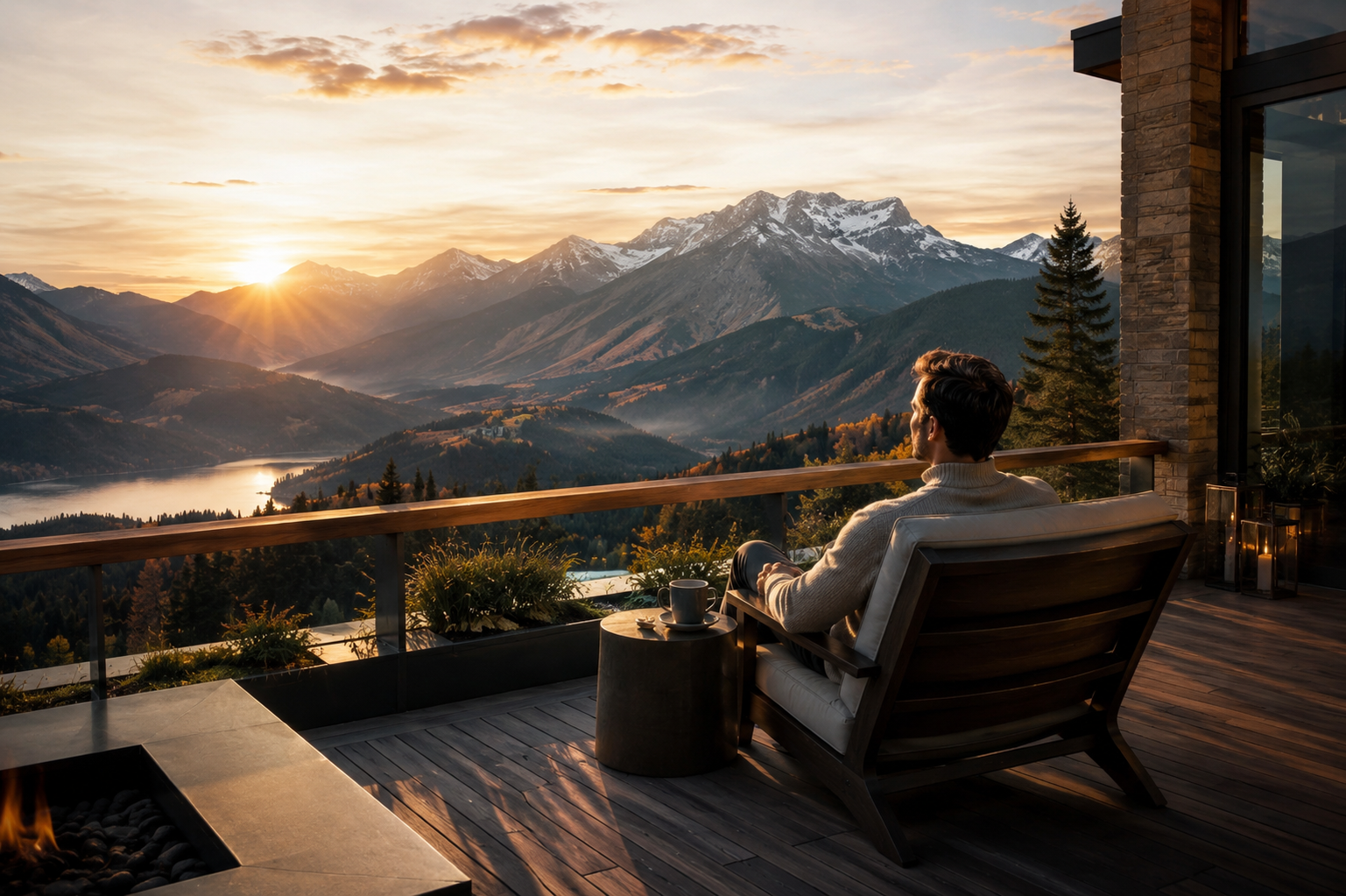
Not long ago, luxury travel was measured by visible signs of success: the penthouse suite, the private villa, the reservation everyone else wanted.
Exclusivity still matters. But a quieter shift is happening across luxury travel.
Affluent travelers are becoming less interested in what luxury looks like. They care more about how luxury feels.
The best trips are no longer defined only by prestige. They're defined by rest, clarity, balance, growth, and real well-being.
In many ways, this is one of the biggest shifts shaping luxury travel today.
Wellness is no longer just an amenity.
It's becoming a travel goal in itself.
This shift has fueled fast growth in luxury wellness travel. It's changing how hotels, destinations, advisors, and travelers all think about the purpose of travel.
For people across the travel industry, this shift means more than spotting a trend.
It means understanding why wellness has become such a strong pull for modern luxury travelers, and what that means for the future of travel planning.
Wellness Is Becoming a New Form of Luxury
Luxury used to mean abundance: more space, more amenities, more access.
Today's affluent travelers define luxury differently. Many already have access to premium goods in daily life. What feels scarce isn't access. It's time, energy, and real emotional balance.
So many travelers now see wellness itself as a luxury: the ability to disconnect, sleep deeply, slow down, and be fully present.
These things matter more in a world full of constant notifications and demanding schedules.
This helps explain why luxury wellness travel has grown far past the old spa visit. Travelers aren't just buying treatments. They're investing in real outcomes.
The Psychology Behind Wellness-Focused Travel
Wellness tourism keeps growing partly because it fits how travelers think today. Many affluent travelers live in high-performance roles: executives, entrepreneurs, business owners, leaders.
The modern luxury traveler often carries real weight and mental load that past generations rarely faced.
Old-school vacations were built around stimulation: more sights, more activities. Today, many travelers want the opposite. They want rest, recovery, and real breathing room.
This shift has helped make wellness travel one of the fastest-growing parts of luxury hospitality. The goal isn't just escaping daily life. It's coming home feeling healthier and clearer than before.
Wellness Travel Is No Longer Just About Spas
Many people assume wellness travel is mostly spa treatments. Spas still matter, but the category has grown a lot.
Today's wellness trips often include sleep programs, mindfulness, nutrition, fitness, and real stress management, plus nature time and digital detox.
The modern wellness traveler wants a whole-person approach: body, mind, emotions, and lifestyle, all working together.
The best wellness trips treat these as connected, not separate. This wider view is helping redefine what wellness means in luxury travel.
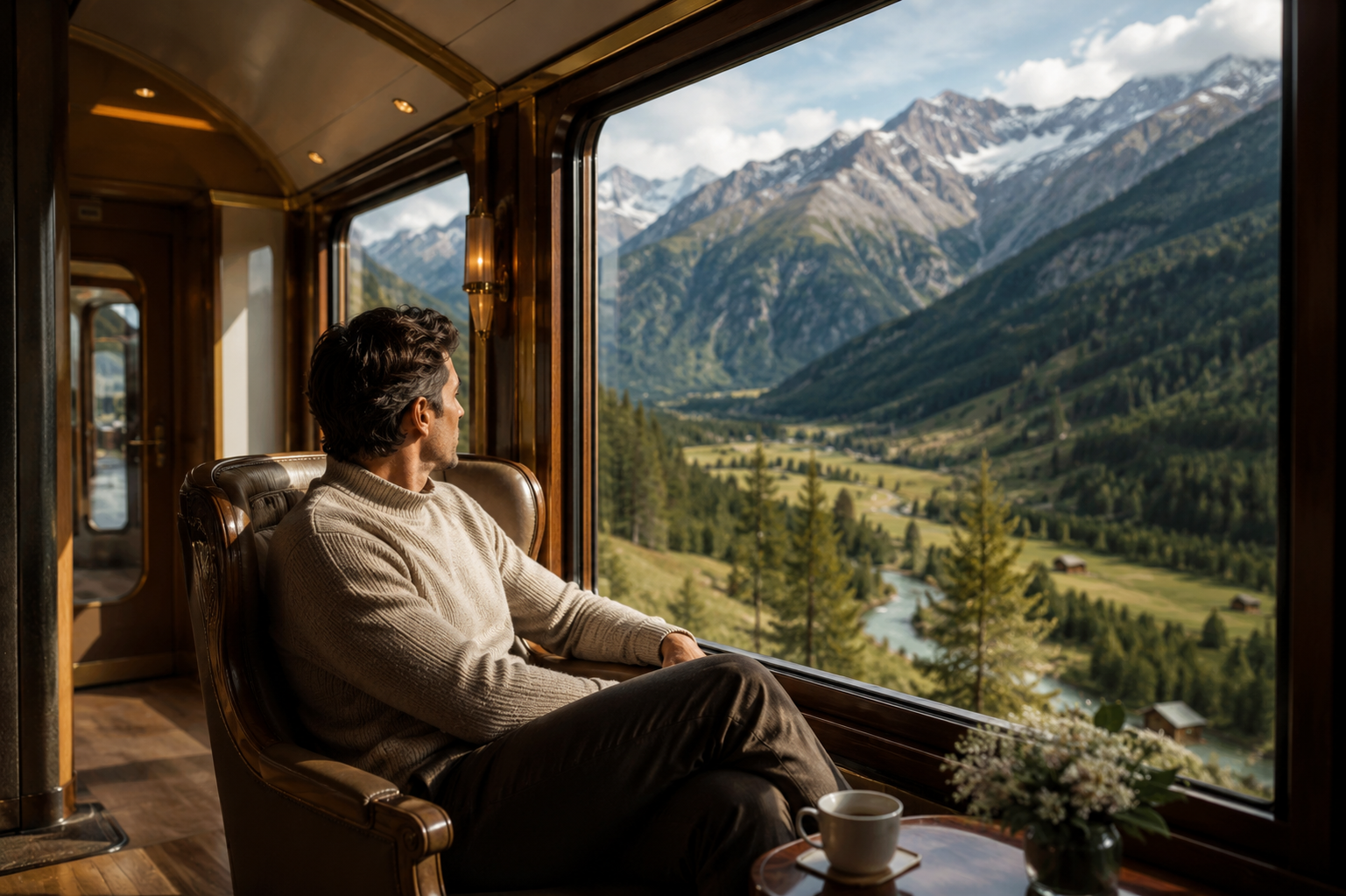
Luxury Travelers Are Increasingly Seeking Outcomes Rather Than Activities
One interesting shift: travelers now focus on outcomes, not just activities. In the past, travelers picked trips based on what to do. Today, they start by asking how they want to feel.
That's a subtle but real difference. Instead of "what should we do?", travelers ask "how do I want to feel after this trip?"
The answer may be: less stressed, more energized, better rested, or more connected to family and to themselves.
This outcome-first mindset is becoming central to wellness travel. Advisors increasingly help travelers name these goals before picking a destination.
The Rise of Personalized Wellness Journeys
Personalization is a defining trait of modern luxury travel. Wellness travel is no different.
Two travelers may both want a wellness trip, but for very different reasons. One wants stress relief. Another wants fitness. A third wants mindfulness. A fourth wants long-term health.
The best wellness trips are built around each traveler's own goal. This reflects a bigger shift toward custom, relationship-driven travel.
Affluent travelers now expect a trip built just for them, not a generic wellness package.

Longevity Travel Is Emerging as a Major Luxury Trend
Another big trend: longevity travel. For many affluent travelers, health has become one of their most valued assets.
So travelers now want trips that support long-term well-being, not just short-term relaxation. Longevity travel may include health checks, sleep help, nutrition guidance, and real recovery.
This reflects a bigger shift in how travelers see travel itself. It's becoming an investment in quality of life, not just leisure.
Digital Detox Is Becoming Increasingly Valuable
Modern luxury travelers face something past generations rarely dealt with: constant digital connection.
Many affluent travelers live surrounded by notifications and emails all day. So digital detox trips have become more appealing.
Luxury wellness trips now often help travelers disconnect from tech, reconnect with nature, and restore real balance.
For many, the ability to unplug has become one of the most valuable parts of a luxury trip. In a world where everything is instant, disconnecting is becoming rare and valuable.
Wellness Cruises Are Expanding the Category
Cruising is changing too, to match wellness-focused travelers. Many luxury cruises now offer wellness programs far beyond the old spa.
Travelers increasingly want wellness dining, mindfulness classes, fitness programs, and sleep-focused rooms.
This shows that wellness is no longer a niche interest. It's becoming a mainstream expectation among affluent travelers.
Luxury Travel Advisors Play a Growing Role in Wellness Travel Planning
As wellness travel gets more advanced, real expert guidance matters more. Advisors help travelers navigate a growing wellness world full of different styles and programs.
The advisor's role now goes beyond planning an itinerary. It includes matching a trip to a traveler's real personal goals, and managing pace along the way.
This reinforces why relationship-driven planning matters so much. The better an advisor knows a traveler, the better they can match a wellness trip to real goals.
Wellness and Sustainability Are Becoming Increasingly Connected
Another trend: wellness and sustainability are increasingly linked. Travelers who care about their own health often care more about the environment too.
Both wellness and sustainability share one thing: long-term thinking. Travelers increasingly see that healthy places make for healthier trips.
This is pushing many luxury brands to fold sustainability into their wellness plans. The result is a fuller approach to luxury travel.
What Wellness Travel Means for the Future of Luxury Hospitality
The rise of wellness travel is more than a passing trend. It reflects a deeper shift in what travelers value. Affluent travelers increasingly want lasting benefits, not just short-term fun.
This matters a lot for hotels, cruise lines, destinations, advisors, and travel businesses.
The future of luxury hospitality will likely lean further into personal, wellness-focused, meaningful trips. Luxury is becoming less transactional and more human. And wellness sits right at the center of that shift.
Conclusion
The rise of luxury wellness travel is really a story about changing priorities. For many affluent travelers, luxury is no longer just about access or status. It's about how travel improves real quality of life: more energy, better well-being, and stronger relationships.
These outcomes are becoming some of the most valuable parts of luxury travel. As wellness tourism keeps growing, understanding this shift will matter more for advisors, hospitality leaders, and travel businesses alike.
Because the future of luxury travel may not be about where travelers go. It may be about who they become when they return.